
Cut the glare, keep the clarity.
Four colors, solid or gradient, plus six Polarized Mirror Coat finishes — for wearers who spend real time outdoors, on the road, or on the water.
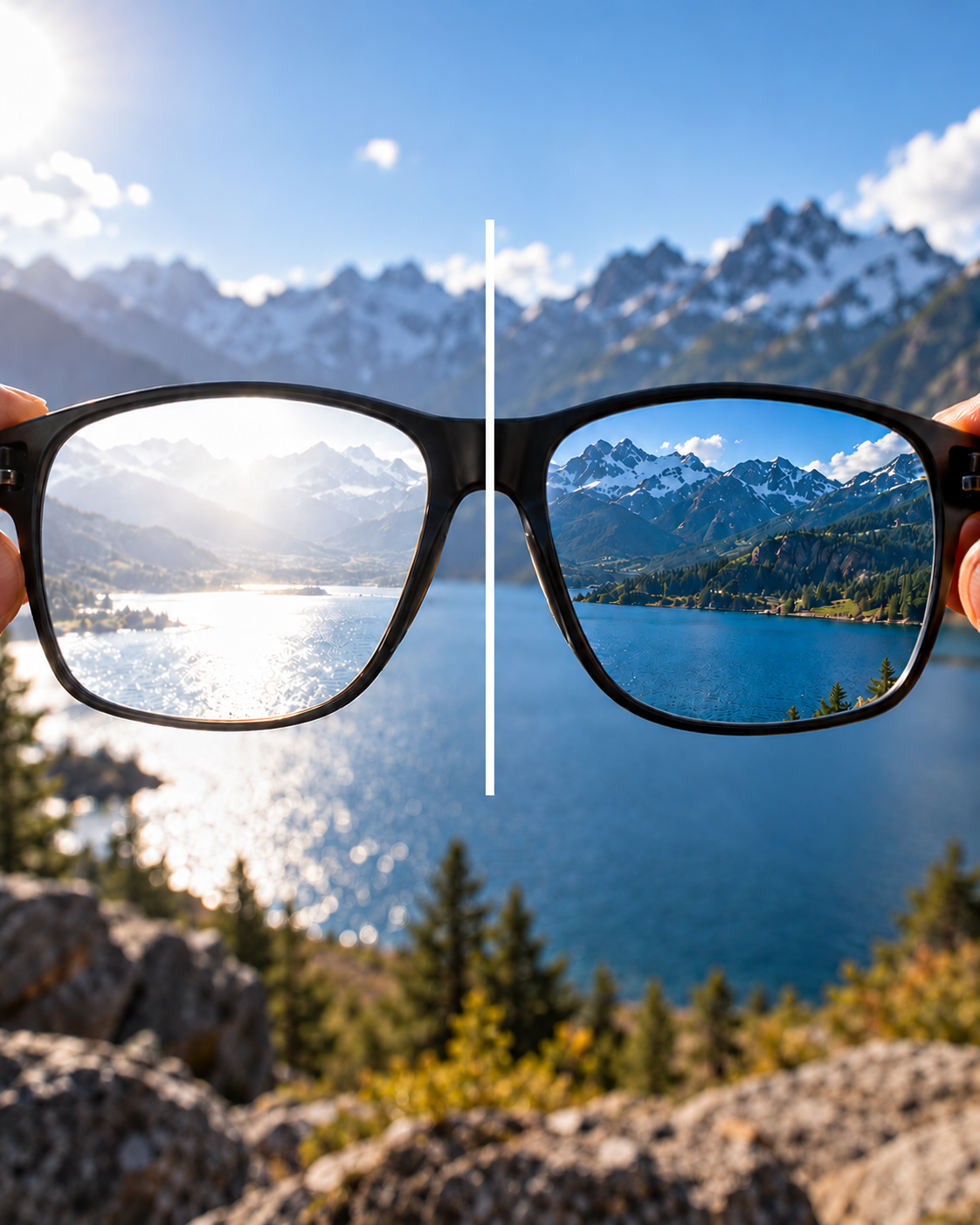




Built for reflected glare, not just brightness.
A polarizing filter blocks the reflected glare that bounces off flat, horizontal surfaces — water, wet roads, snow, and glass — rather than just dimming everything the way a plain colors does. The result is a clearer, higher-contrast view in exactly the conditions where a regular sunglass lens struggles.
Glare off, contrast on.
Cuts reflected glare
Blocks the horizontal glare that bounces off water, wet roads, and glass — not just ambient brightness.
Sharper contrast
With glare out of the way, colors and edges read with noticeably more contrast.
Less eye strain outdoors
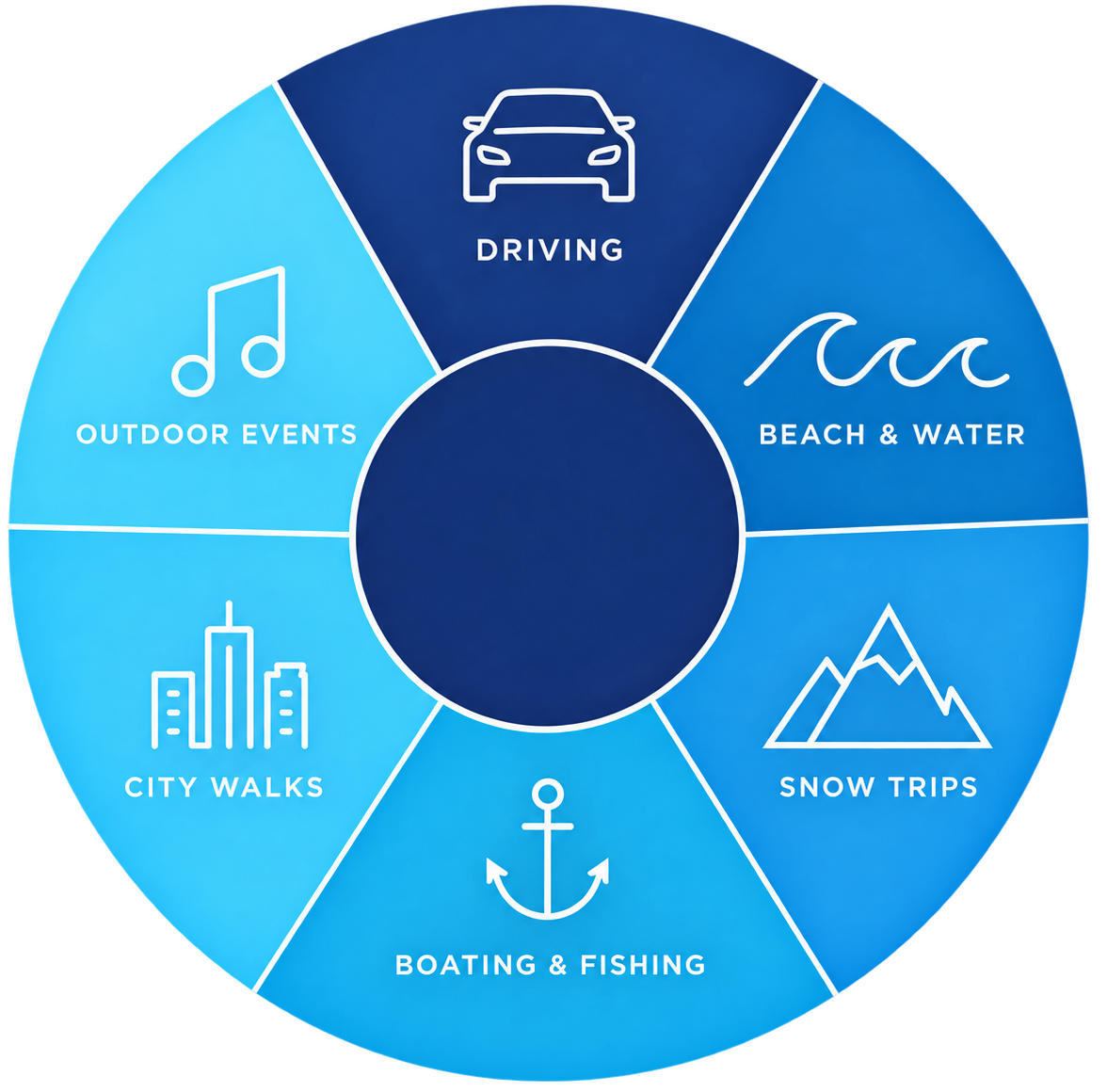
Comfortable, natural-looking vision for driving, water, snow, and long days outside.
Polarized
Wins
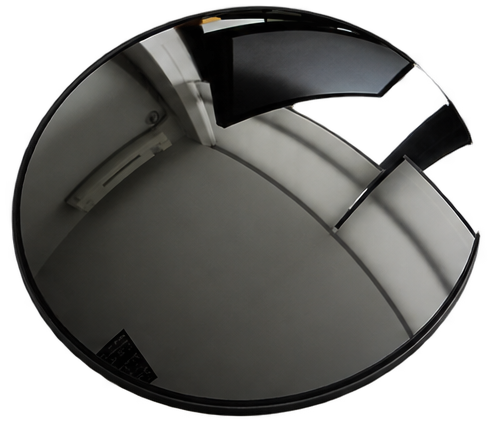
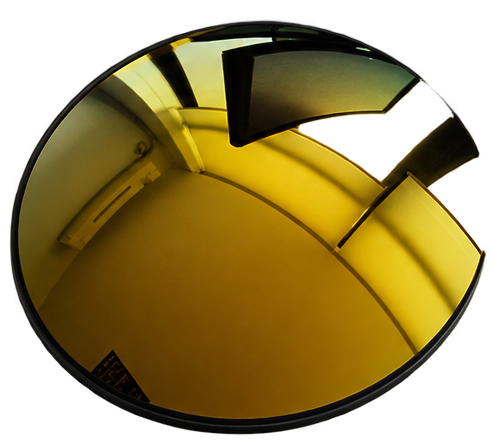
Four colors, six mirror finishes.
Solid and gradient colors for everyday wear, or step up to a Polarized Mirror Coat finish.







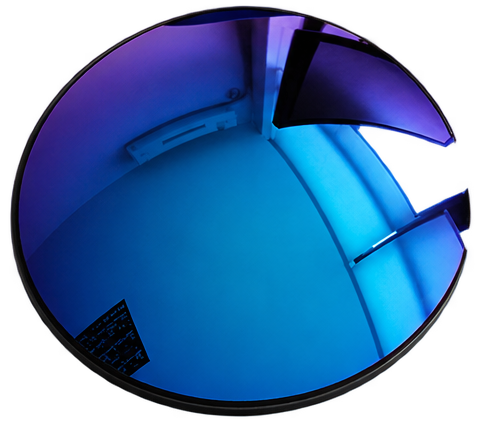
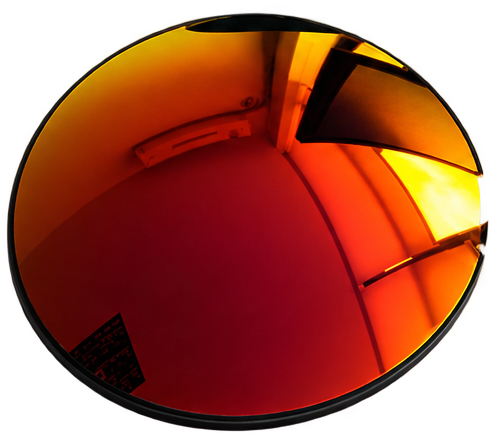
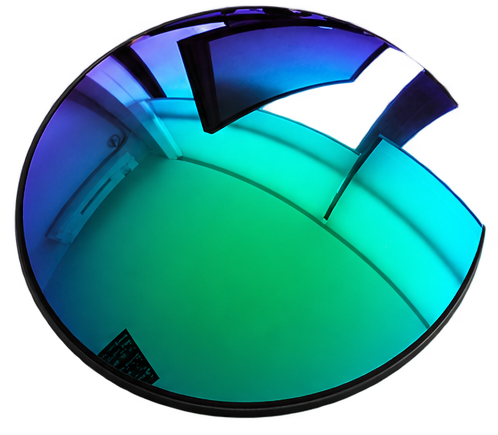
Polarized vs. non-polarized.
Where a plain colors and a polarized lens actually differ.
| Non-Polarized | Polarized | |
|---|---|---|
| Reflected glare (water, wet roads, glass) | — | |
| Contrast in bright light | Reduced | |
| Eye strain on long outdoor exposure | Higher | |
| Digital screens & LCD dashboards | May dim at angles |
Worth knowing: polarization can make some digital displays — car dashboards, ATM screens, certain phone screens — look dim or patchy at certain viewing angles. Worth a quick mention to customers who rely heavily on screens while wearing their sunglasses.
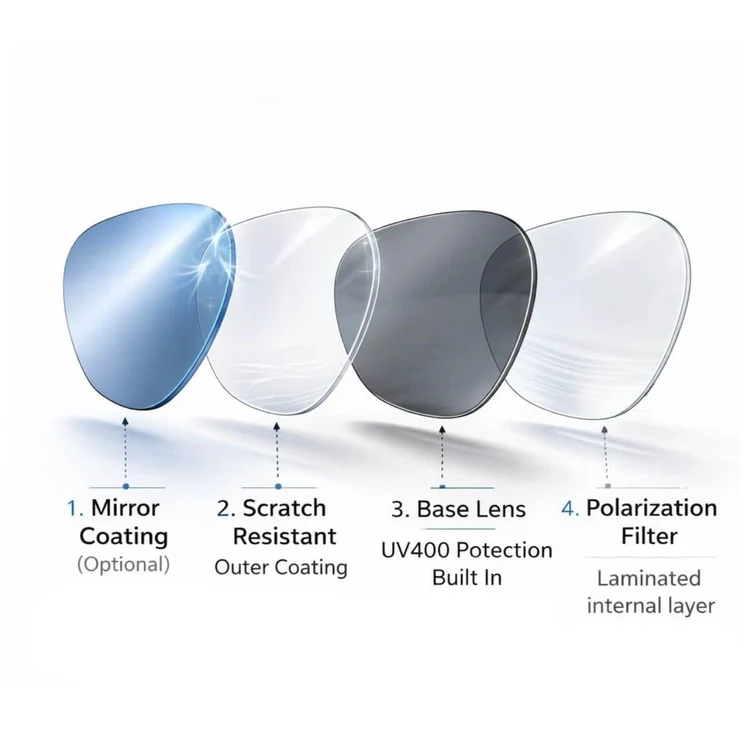
Four layers, working together.
The polarizing effect isn't a surface colors — it's a laminated filter built into the lens itself, with the rest of the construction doing its own job around it.
- Base lens — the prescription material, UV-protective by design
- Polarization filter — laminated internal layer that blocks reflected glare
- Scratch-resistant outer coating — day-to-day durability
- Mirror coating — optional finish, applied on top
Let's talk polarized volumes.
Tell us your customer base — we'll recommend which colors and finishes to stock.